
"I just need my house pressure washed" is something we hear almost every day. And almost every time, what the homeowner actually needs is soft washing — not pressure washing. These are two completely different cleaning methods, and using the wrong one on the wrong surface causes expensive damage. Here's how to know which one you need.
The Core Difference
Pressure washing cleans with force. Soft washing cleans with chemistry. That's the entire distinction.
- Pressure washing uses water at 3,000-4,000 PSI to blast dirt, grime, and stains off hard surfaces. The high pressure does the work.
- Soft washing uses a biodegradable cleaning solution applied at 100-500 PSI (garden hose pressure). The solution kills algae, mold, and bacteria. The water just rinses it away.
When to Use Pressure Washing
Pressure washing is for hard, durable surfaces that can handle the force:
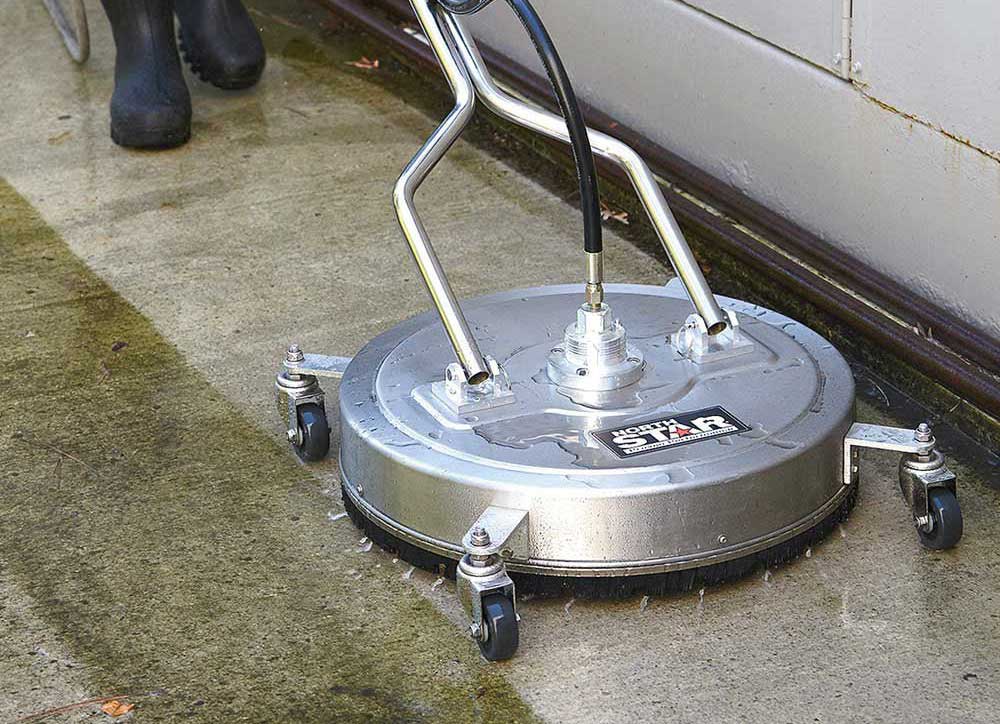
- Concrete driveways and sidewalks
- Brick and stone walkways and retaining walls
- Concrete patios and pool decks
- Parking lots and commercial concrete
- Garage floors
- Dumpster pads
These materials are dense enough to withstand 3,000+ PSI without damage. In fact, they need that level of pressure — a garden hose won't remove years of ground-in dirt, oil stains, and tire marks from concrete.
When to Use Soft Washing
Soft washing is for everything else — surfaces that high pressure would damage:
- Vinyl, wood, and fiber cement siding
- Asphalt shingle roofs (all manufacturers require soft washing)
- Painted surfaces and trim
- Stucco and EIFS
- Cedar shake siding and roofing
- Screen enclosures and pergolas
- Fences (especially painted or stained wood)
- Outdoor furniture
What Happens When You Use the Wrong Method
Pressure Washing Surfaces That Need Soft Washing
- Vinyl siding: cracks, water forced behind panels, mold growth inside walls
- Wood siding: splintering, stripped paint, raised grain, permanent damage
- Asphalt roof: granule loss, voided warranty, shortened roof lifespan by years
- Stucco: water penetration into wall cavity, interior mold, delamination
- Painted surfaces: stripped paint requiring full repaint
Soft Washing Surfaces That Need Pressure Washing
This direction is less damaging but wastes money and gives poor results. A cleaning solution applied to a concrete driveway will kill surface algae, but it won't remove ground-in dirt, oil stains, tire marks, or rust. You need mechanical force (pressure) for hard-surface contaminants. You'll pay for a soft wash and still have a dirty-looking driveway.
Why Soft Washing Results Last Longer
This is the part most homeowners don't understand. Pressure washing removes organic growth from the surface, but the root system remains embedded in the material. Within weeks, algae and mold start regrowing from those roots. Soft washing kills the organism at the root. There's nothing left to regrow. That's why soft washing keeps surfaces clean for 1-3 years while pressure-washed surfaces often look dirty again within months.
Most Homes Need Both
A comprehensive exterior cleaning uses both methods on the same property:
- Soft wash the siding, trim, soffits, and any painted or delicate surfaces
- Pressure wash the driveway, sidewalks, patio, and any concrete or brick surfaces
- Soft wash the roof (if needed)
- Either method for fences, depending on material and condition
A professional exterior cleaning company should automatically know which method to use on each surface. If someone offers to "pressure wash your whole house" and doesn't ask what your siding is made of, find a different company.
Cost Comparison
| Service | Pressure Washing | Soft Washing |
|---|---|---|
| House exterior | N/A (don't pressure wash siding) | $200-$600 |
| Driveway | $150-$350 | N/A (soft washing won't clean concrete well) |
| Roof | N/A (never pressure wash a roof) | $300-$700 |
| Patio / pool deck | $100-$250 | N/A |
| Fence (wood) | $100-$250 | $100-$250 (better for painted/stained fences) |
Prices are comparable. The decision should never be about cost — it should be about using the right method for the surface. A cheap pressure wash that damages your siding will cost thousands to repair.
Frequently Asked Questions
Is soft washing better than pressure washing?
Can you soft wash a driveway?
How do I know if my house needs pressure washing or soft washing?

About the Author
Brayden Rollins
Brayden is the owner and operator of Monster Pro Wash, a locally owned exterior cleaning company serving the Columbia, SC metro area. With hands-on experience cleaning hundreds of homes and businesses across the SC Midlands, he knows what works (and what doesn't) when it comes to pressure washing, soft washing, gutter cleaning, and roof cleaning. When he's not on a job site, he's writing guides to help homeowners take better care of their properties.